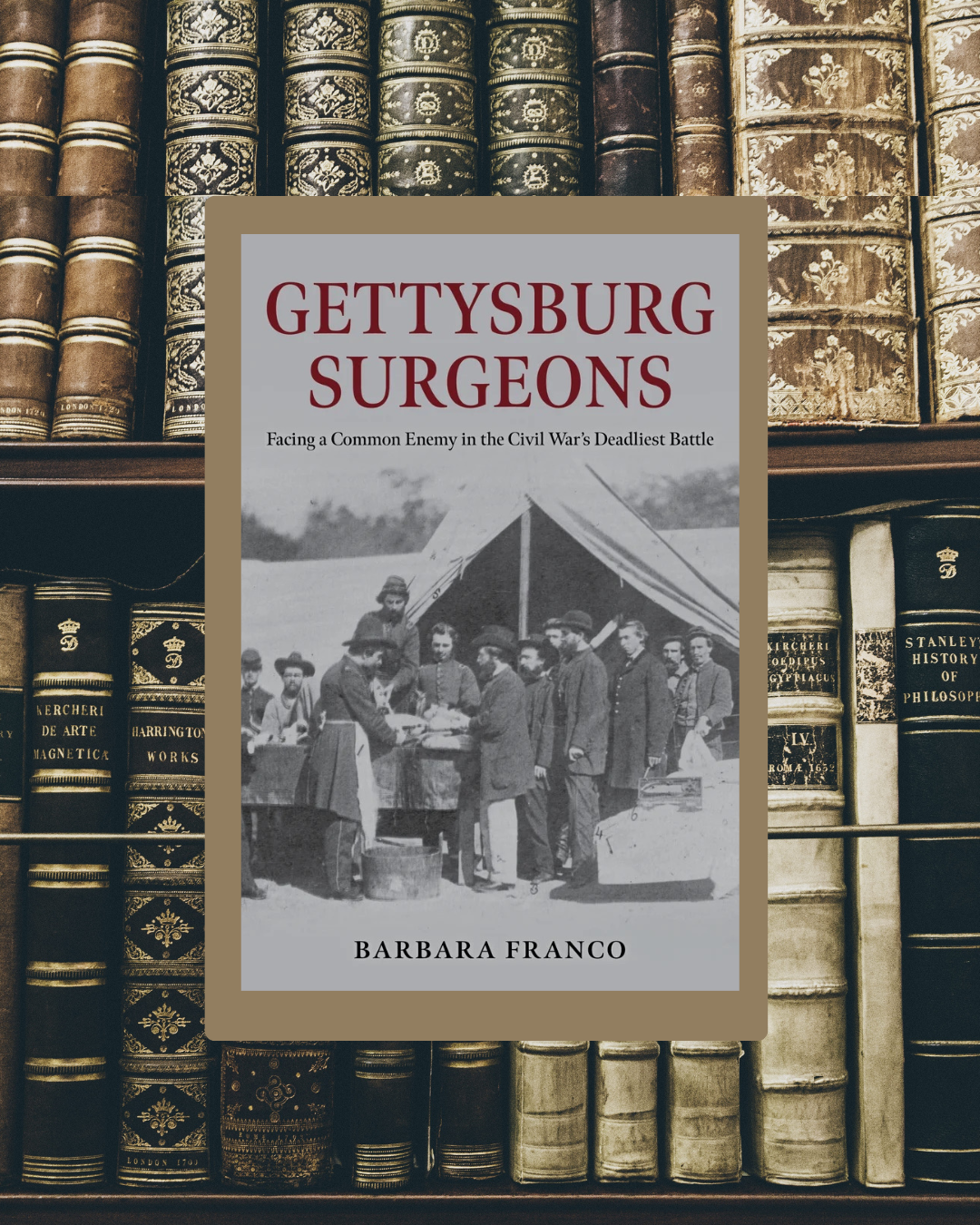
From the founding director of the Gettysburg Seminary Ridge Museum comes an unforgettable narrative of medicine, courage, and innovation that speaks to both history enthusiasts and medical professionals. This definitive account shows how the medical crisis at Gettysburg continues to influence how we treat mass casualties and train combat medics today.
This book, which focuses less on the military aspects of Gettysburg, and more on the noncombatant/medical history, is a must for any Civil War enthusiast’s bookshelf. Densely packed with tons of information taken from first-hand journal accounts, letters and military paperwork, the book tells the stories of the men who cared for the soldiers involved in this bloody campaign of the war in both the Northern and Southern armies.
The book starts with an overview of medical training in the early to mid-19th century, describing the growth of medical colleges and ways one could become a physician during this historical period. From there, the author goes on to talk about how the two armies recruited physicians and the differences in how they were assimilated into the larger organization of the two armies. Detailed descriptions of the three days of the Gettysburg battle are included; how the surgeons treated the wounded, efforts to collect men from the battlefield and manage transport and supplies, and how community groups rallied around to provide supplies, food and to move men out of temporary hospitals to more permanent ones.
The book also sheds light on lessons learned in Gettysburg regarding emergency medical techniques and surgeries, the difficulties in dealing with wounded soldiers in open-air operating theaters, and how those lessons changed the way the American military would manage medical responses in the future.
As someone more interested in social history than pure military history, I really enjoyed the personal stories of the men who were involved in this conflict. There is a generous appendix with photos and diary or letter exerpts at the end of the book which brought many of the physicians mentioned within the historical timeline to life. Many of these men, while not necessarily physically injured in the fighting (although some of them were) carried the scars of this battle with them for the rest of their life. I also really appreciated reading this book after a recent trip to the Gettysburg battlefield itself and would highly recommend it as required reading if you’re planning an immersive field trip.
 The Emporium of Forgotten Threads
Leave a comment